

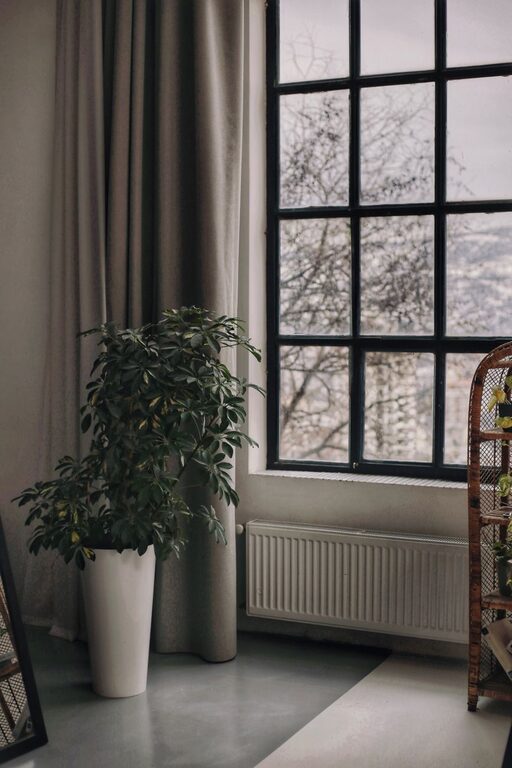
Creating a relaxing home environment doesn’t have to mean undertaking expensive renovations or complicated projects. By making some simple interior design changes, you can turn your living space into a calming haven that helps reduce stress and promotes comfort. Whether you live in a small apartment or a larger home, these tips will guide you in creating a peaceful atmosphere with minimal effort.
Why a Relaxing Home Environment Matters
Your home should be a place where you can unwind and recharge. A thoughtfully designed environment can improve your mood, boost productivity, and even support better sleep. Interior design plays an important role in setting the tone and energy of your space. When you design with relaxation in mind, every element—from color choices to furniture placement—works to create harmony and balance.
1. Choose Soothing Color Palettes
Colors have a powerful effect on our emotions. For a relaxing home atmosphere, opt for soft, muted tones that evoke calmness. Here are some color choices that work well:
– Pastel blues and greens: Known for their calming and soothing qualities.
– Neutral shades: Soft beige, warm whites, or gentle greys create a peaceful background.
– Earth tones: Soft browns and warm terracottas can add warmth without overstimulation.
Avoid very bright or highly saturated colors in main living areas, as they can increase energy levels and may cause visual stress.
2. Incorporate Natural Light
Natural light boosts mood and enhances the feeling of openness in a room. To maximize natural light:
– Use sheer curtains or blinds that can be adjusted to let sunlight filter through softly.
– Keep windows clean and clear of heavy drapery.
– Arrange mirrors opposite windows to reflect light deeper into the space.
If your home lacks windows or receives little sunlight, add warm, adjustable lighting fixtures that mimic daylight. Layer your lighting with a combination of overhead, task, and accent lights.
3. Declutter and Organize
A cluttered environment can increase anxiety and distract from relaxation. Decluttering your space helps create a sense of order and calm. Try these steps:
– Keep only items that serve a purpose or bring joy.
– Use stylish storage bins, baskets, or shelves to neatly store belongings.
– Organize surfaces like tables and countertops to remain mostly clear.
Regularly tidying your home can help maintain this peaceful environment.
4. Choose Comfortable and Inviting Furniture
Comfortable furniture invites you to relax. Consider these tips:
– Select seating that offers good support and softness, such as plush sofas or cushioned armchairs.
– Add cozy elements like soft throws, cushions, or rugs.
– Arrange furniture in a way that promotes easy conversation and creates open pathways.
Avoid overcrowding rooms with too much furniture, which can feel overwhelming and cramped.
5. Bring Nature Indoors
Connecting with nature has been shown to reduce stress and promote peace. Introduce natural elements by:
– Adding indoor plants, which improve air quality and bring life to any room.
– Incorporating natural materials like wood, stone, or bamboo in furniture or decor.
– Using botanical prints or nature-inspired artwork on walls.
Plants such as snake plants, pothos, or peace lilies are easy to care for and great for beginners.
6. Use Soft Textures and Fabrics
Textures can influence how we feel in a room. Soft, tactile fabrics add warmth and comfort, making spaces feel more inviting. Some ideas include:
– Layering rugs with different textures.
– Adding throw pillows with soft fabrics like cotton, linen, or velvet.
– Using curtains made from light, flowing materials.
Avoid stiff, rough, or artificial-feeling fabrics in areas where you want to relax.
7. Play Calming Sounds or Use Scent Diffusers
Though not strictly interior design, ambient sounds and pleasant aromas can enhance a relaxing atmosphere:
– Consider a small water fountain or white noise machine for gentle background sounds.
– Use essential oil diffusers with calming scents like lavender, chamomile, or eucalyptus.
– Incorporate scented candles or natural incense in moderation.
These sensory elements complement your design choices and round out the peaceful environment.
8. Personalize Your Space with Meaningful Decor
Incorporate items that make you happy without creating clutter:
– Display favorite photos in simple frames.
– Add art pieces that inspire calm or joy.
– Use treasured souvenirs or handmade objects to add personality.
When your home reflects your tastes and memories, it becomes a true sanctuary.
Final Thoughts
Transforming your home into a relaxing retreat can be achieved with thoughtful, simple interior design changes. Focus on comfort, natural elements, soothing colors, and organized spaces to cultivate calmness. Remember, creating a peaceful environment is a process—take it one step at a time and adjust according to your preferences. Embrace your home as a place to rest, recharge, and enjoy every day.