

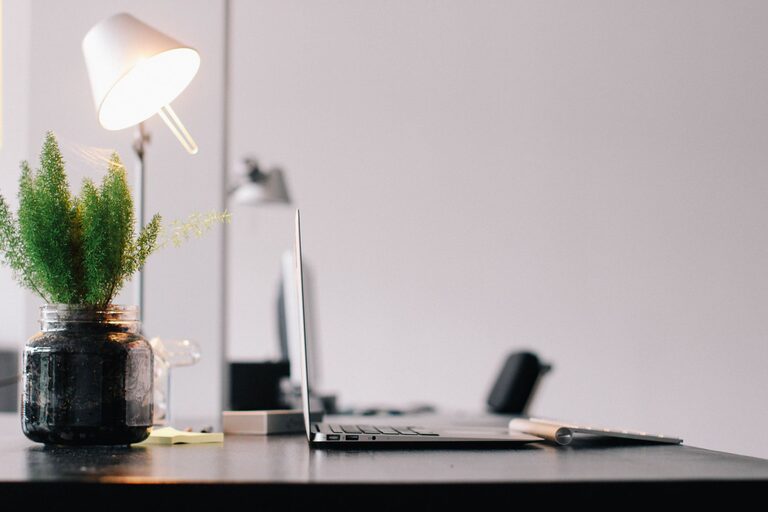
Creating a relaxing home workspace is essential for maintaining productivity and well-being, especially if you spend several hours working from home. A comfortable, organized environment not only supports focus but also reduces stress and helps keep your workday enjoyable. In this post, we’ll share practical tips on designing a home workspace that feels calming and encourages your best work.
Why a Relaxing Workspace Matters
Your workspace directly affects how well you concentrate and manage your tasks. A cluttered or uninspiring area can increase stress levels and lead to distractions. Conversely, a thoughtfully arranged, peaceful space promotes clearer thinking and better motivation. Taking some time to improve your home office setup will benefit your performance and your mental health.
Select the Right Location
Choosing the right spot for your workspace is the first step. Here are some factors to consider:
– Natural light: Position your desk near a window if possible. Natural light boosts mood and reduces eye strain.
– Quiet environment: Find a space away from household noise and high traffic areas.
– Good ventilation: Fresh air helps keep you alert and comfortable.
– Space: Ensure there’s enough room for your essential equipment and some personal items without feeling cramped.
If space is limited, even a small corner can become a focused work area with the right arrangement.
Invest in Comfortable Furniture
Comfortable furniture is key to a relaxing workspace. Consider these recommendations:
– Ergonomic chair: Choose one that supports your lower back and encourages good posture.
– Adjustable desk: If possible, an adjustable desk lets you alternate between sitting and standing, which can reduce fatigue.
– Proper desk height: Your desk should allow your forearms to rest comfortably when typing.
– Footrest: If your feet don’t touch the floor fully, a footrest helps maintain proper posture.
Comfort helps prevent physical discomfort that can distract from work.
Organize with Purpose
An organized workspace decreases stress and streamlines your workflow. Use these strategies to keep your area neat:
– Declutter regularly: Remove items you don’t use daily.
– Storage solutions: Use shelves, drawers, or boxes to keep supplies tidy.
– Cable management: Tidy cords with clips or sleeves to avoid visual mess.
– Minimal décor: Keep decorations simple and meaningful to avoid distractions.
An orderly space makes it easier to focus on your tasks.
Use Calming Colors and Lighting
Colors and lighting impact your mood and concentration:
– Soft, neutral colors: Shades like light blues, greens, and grays create a soothing atmosphere.
– Accent colors: Adding small touches of colors you love can boost creativity and energy.
– Adjustable lighting: Use lamps with dimmers or adjustable brightness to reduce harshness.
– Avoid glare: Position monitors and lamps to minimize screen glare.
Experiment with lighting and color schemes until you find what feels most relaxing.
Incorporate Elements of Nature
Bringing nature into your workspace can reduce stress and improve concentration:
– Houseplants: Easy-to-care-for plants can brighten your space and improve air quality.
– Natural materials: Wood or stone accessories can create a grounding effect.
– Views of nature: If your workspace overlooks outdoor greenery, try to face that direction.
– Nature sounds: Consider soft background sounds like a water fountain or gentle rain if it helps you relax.
Even small connections to nature make a big difference.
Personalize Your Space
Adding personal touches makes your workspace feel inviting:
– Inspirational items: Photos, quotes, or artwork that motivate you.
– Comfort items: A cozy blanket or your favorite mug.
– Scent: Light candles or use essential oil diffusers with calming scents like lavender or eucalyptus.
Personalizing helps create a space where you want to spend time.
Establish a Routine and Boundaries
A relaxing environment goes hand in hand with a balanced work routine:
– Set work hours: Define clear start and end times to avoid burnout.
– Breaks: Take regular breaks to stretch or refresh your mind.
– Limit distractions: Turn off non-essential notifications and inform household members of your schedule.
– End of day ritual: Tidy your workspace or switch off equipment to signal the workday is done.
Building habits around your environment improves productivity and peace of mind.
Keep Technology User-Friendly
Ensure your technology supports productivity without causing stress:
– Organized desktop: Keep your computer desktop clean and files easy to find.
– Reliable equipment: Use devices that work well and are comfortable for long sessions.
– Ergonomic peripherals: Choose keyboards and mice that reduce strain.
– Manage digital distractions: Use focus apps or settings to limit interruptions.
Smooth technology use keeps your workflow steady and comfortable.
Final Thoughts
Designing a relaxing home workspace is a powerful way to boost your productivity and enhance your well-being. By carefully selecting your location, furniture, organization methods, and personal touches, you can create an environment that supports focus and reduces stress. Small changes can have a big impact, so take your time and tailor your space to fit your unique needs.
Remember, the goal is a workspace where you feel calm, comfortable, and ready to do your best work every day.